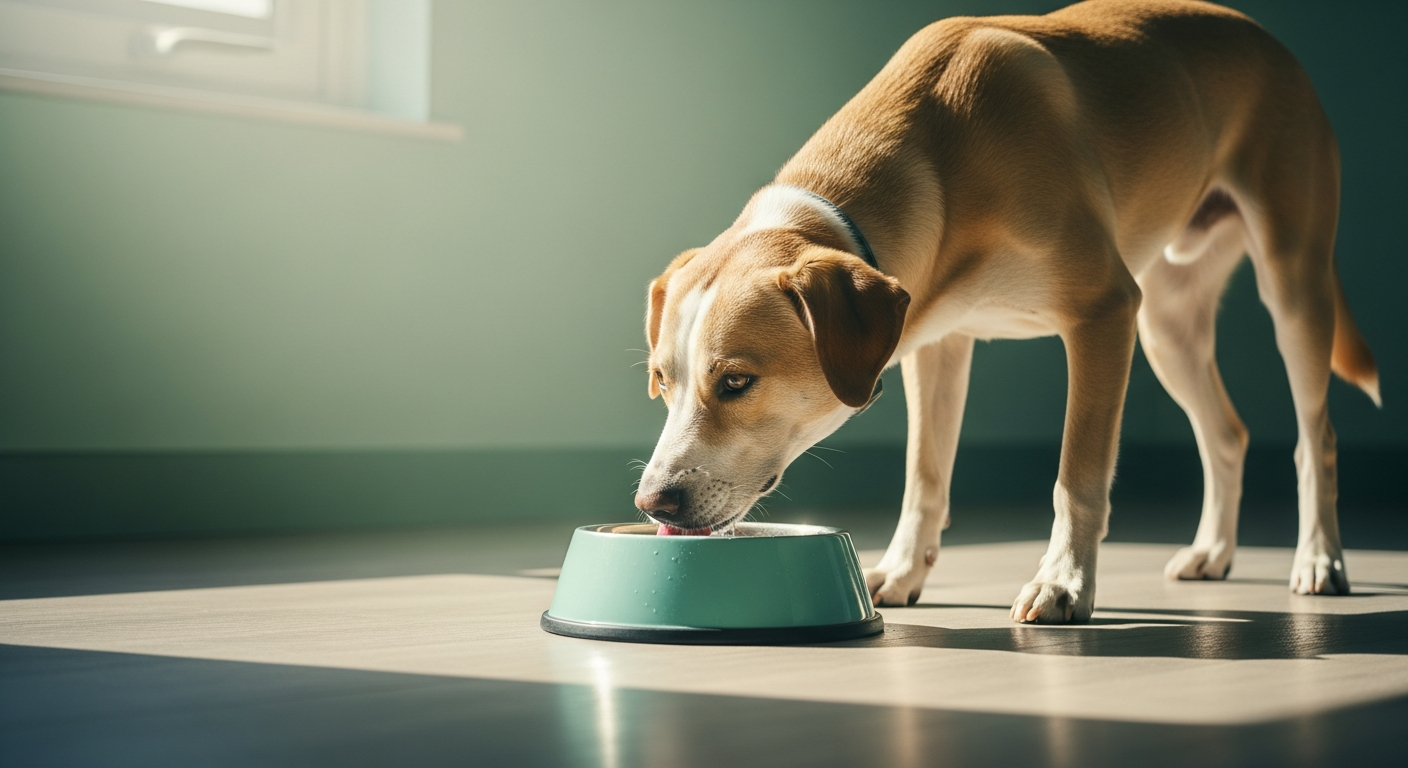
Dubai's summer changes how pets eat and drink. Appetites dip, water becomes critical, and food spoils in the heat faster than most owners realise. None of this is usually cause for alarm — but knowing what's normal, what helps, and what's a red flag keeps a hot season comfortable and safe. This guide covers all three.
Why appetite often dips in summer — and when it's normal
It's common for dogs and cats to eat a little less when it's very hot. Eating generates body heat, and a pet trying to stay cool may naturally scale back, especially at the hottest times of day. A modest, temporary reduction in a pet that is otherwise bright, active and drinking normally is usually nothing to worry about.
What helps:
- Feed during the cooler parts of the day — early morning and evening — when your pet is more comfortable eating.
- Consider wet food or adding water to meals: it's more palatable to some pets in heat and boosts hydration at the same time.
- Serve smaller, fresher portions rather than leaving a large bowl out.
Hydration is the real priority
In extreme heat, water matters more than food. Dehydration develops quietly and raises the risk of heat-related illness, and cats in particular are reluctant drinkers.
To encourage drinking:
- Offer fresh water in several locations, away from food and litter, and refresh it often — warm, stale water gets ignored.
- Try a pet water fountain; many cats and some dogs drink more from moving water.
- Add water or ice cubes to bowls, and offer wet food.
- On outings, carry water and a travel bowl.
Signs of dehydration include tacky or dry gums, lethargy, sunken eyes and loss of skin elasticity. If you suspect dehydration — or your pet won't drink — contact your vet; in heat this can escalate quickly.
→ Related: Heat Stroke in Dogs and Cats: The Dubai Survival Guide
Food safety: heat spoils food fast
Dubai's ambient heat means pet food — wet food especially — spoils much faster than in a temperate climate.
- Don't leave wet food out. In summer it can spoil within a short time; discard uneaten wet food rather than letting it sit.
- Store dry food sealed and cool. Heat and humidity degrade fats (causing rancidity) and can encourage mould and pantry pests. Keep the bag sealed in an airtight container, out of direct sun, and don't buy more than you'll use in a reasonable time.
- Wash bowls daily. Bacteria multiply faster in the heat.
- Mind outdoor and community feeding. Food left out for outdoor or community cats spoils quickly and attracts pests — offer fresh, modest amounts and remove leftovers.
When an appetite change means "see a vet"
A small, temporary dip in a happy, hydrated pet is one thing. Reach out to your vet if you notice:
- A pet that won't eat at all for more than a day, or won't drink.
- Appetite loss with other signs: vomiting, diarrhoea, lethargy, panting, weakness or any sign of heat stress.
- Cats especially — a cat that stops eating for even a short period can develop serious complications, so feline appetite loss deserves prompter attention than in dogs.
When in doubt, it's always reasonable to call. An appetite change is one of the most common early signals that something needs looking at — heat-related or not.
Frequently asked questions
Why is my dog not eating much in Dubai's summer? A modest appetite dip in hot weather is common, because eating produces body heat. If your dog is otherwise bright, active and drinking well, feed during cooler hours and offer smaller, fresher meals. If it won't eat for more than a day, or shows other symptoms, call your vet.
How can I keep my cat hydrated in the heat? Offer fresh water in several spots away from food, refresh it often, try a pet fountain, and add wet food or water to meals. Cats are naturally poor drinkers, so making water appealing and available matters — and any cat that stops eating or drinking should be seen promptly.
How long can I leave wet food out in summer? Not long — in Dubai's heat it can spoil quickly, so don't leave it sitting. Serve fresh, modest portions and discard what isn't eaten within a short time. Store dry food sealed, cool and out of the sun.
When should I worry about my pet's appetite in hot weather? If your pet won't eat at all for more than a day, won't drink, or shows appetite loss alongside vomiting, lethargy or signs of heat stress. Cats warrant faster attention than dogs, as feline appetite loss can escalate.
Get summer-smart guidance with Stay
Stay tailors feeding, hydration and heat-risk guidance to your individual pet — so you know what's normal for your dog or cat as the temperature climbs. Join the Stay waitlist.
Important note
This article is general educational information, not a substitute for professional veterinary advice. If your pet stops eating or drinking, or shows signs of heat stress or dehydration, contact a veterinarian promptly. Clinical content is draft pending veterinary review.
References
- Hall EJ, Carter AJ, O'Neill DG. Exertional Heat-Related Illness in Dogs. Animals. 2020;10(8):1324. https://www.mdpi.com/2076-2615/10/8/1324
- WSAVA Global Nutrition Guidelines. https://wsava.org/global-guidelines/global-nutrition-guidelines/
- AAHA — Hydration & Hot Weather Pet Safety resources. https://www.aaha.org/