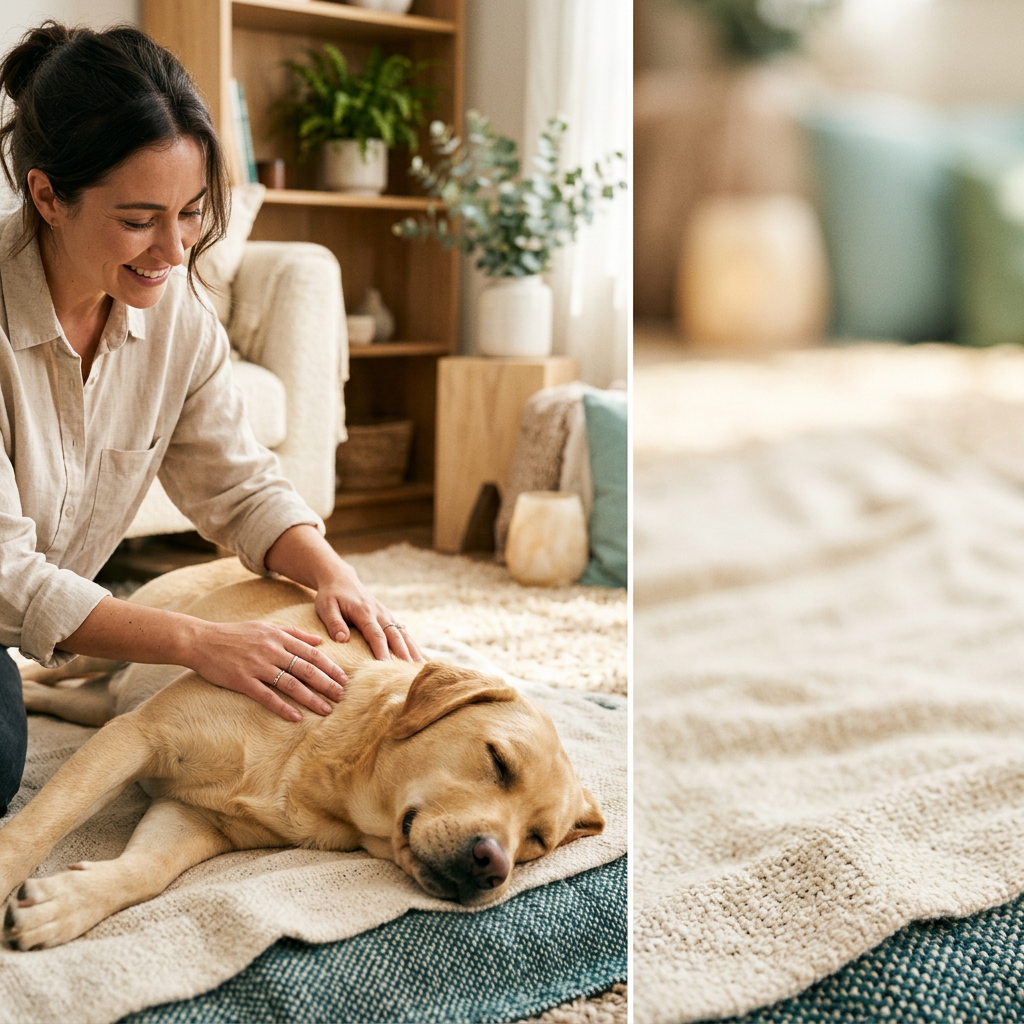
Few things send an owner to Google faster than feeling a new lump while stroking their pet. The instinct is to look up "what does a fatty lump feel like" and try to reassure yourself. Here's the single most important thing to know, and the reason this article exists: you cannot reliably tell whether a lump is harmless or serious by how it looks or feels — and neither can your vet, by touch alone [1]. Some aggressive tumours feel soft and moveable; some harmless ones feel firm. The only way to know is a quick test.
That doesn't mean panic. It means don't guess. Here's how to think about it.
Why appearance isn't enough
Skin and subcutaneous lumps are extremely common, especially in older dogs, and many are benign — fatty lumps (lipomas), cysts, warts and swollen glands among them. But a benign lipoma and a mast cell tumour (a common skin cancer in dogs that is a "great imitator") can feel almost identical under your fingers [1]. Because look and feel overlap so much, the veterinary rule of thumb is simple: any new or changing lump deserves to be checked, and usually sampled.
The good news: the test is quick, cheap and low-stress
The standard first step is a fine-needle aspirate (FNA) — your vet inserts a small needle into the lump, draws out a few cells, and examines them under the microscope (or sends them to a lab). It's fast, usually needs no sedation, and often gives an answer the same day about whether a lump is fatty, inflammatory, or something that needs removing [1]. It's one of the highest-value, lowest-drama tests in veterinary medicine — and it turns "I'm worried about this lump" into a clear plan.
Red flags: book in sooner rather than later
While every new lump should be checked, prioritise a prompt appointment if a lump is:
- Growing — quickly, or noticeably over weeks
- Changing — in shape, firmness or colour
- Ulcerated, bleeding, or not healing
- Red, angry, or fluctuating in size (some mast cell tumours swell and shrink)
- Bothering your pet — being licked, scratched or clearly sore
- Firmly attached to the tissue underneath, rather than moving freely
- On a cat — cats get proportionally fewer skin lumps than dogs, but a higher share are malignant, so feline lumps warrant a lower threshold to check [2]
A special note: a firm lump at the site of a previous injection in a cat that is growing, larger than a fingertip, or still present weeks later should be seen promptly [2].
What to do when you find a lump
Stay calm and be systematic. Note the date, location and size (measuring against something everyday, like a pea or a grape, helps), and take a quick photo so you can track any change. Then book a veterinary check — routine for a small, stable, long-standing lump; sooner for anything showing a red flag above. Resist the urge to squeeze, drain or treat it at home. And keep a light touch emotionally: the majority of lumps turn out to be benign, but the only way to earn that reassurance is to have it checked rather than assumed.
The bottom line
A lump is not a diagnosis, and it's not a reason to spiral — but it is a reason to act, because the one thing you can't do is tell benign from serious by feel. A brief vet visit and, usually, a simple needle test replace weeks of worry with a real answer. Find it, note it, and get it checked: early is easy, and early is where the good outcomes live.
Frequently asked questions
How can I tell if a lump on my dog is cancerous? You can't — not by look or feel, and neither can your vet by touch alone. Benign lipomas and some skin cancers can feel identical [1]. The reliable way to know is a fine-needle aspirate, a quick and usually sedation-free test that examines the lump's cells. That's why any new or changing lump should be checked.
Is a soft, moveable lump on my dog always harmless? No. Soft and moveable is often a fatty lipoma, but some aggressive tumours can also feel soft and moveable. The overlap is exactly why vets sample rather than assume. Reassurance should come from a test, not from texture.
Should I worry about a lump on my cat? Cats get fewer skin lumps than dogs, but a higher proportion are malignant, so it's wise to have any feline lump checked promptly [2]. Pay particular attention to a firm, growing lump at a previous injection site.
My dog has had a fatty lump for years — do I still need to check new ones? Yes. Having one confirmed lipoma doesn't mean the next lump is also benign — a dog can have both harmless and serious lumps. Each new or changing lump should be assessed on its own.
Track lumps over time with Stay
Stay lets you log each lump's location, size and photos, reminds you to recheck, and helps you judge when a change means "book a vet" — so nothing gets forgotten between visits. AI assists; experts decide. Join the Stay waitlist.
Important note
This article is decision-support information, not veterinary advice, and does not diagnose your individual pet. Any new, growing or changing lump should be examined by your veterinarian.
References
- American College of Veterinary Surgeons / American Veterinary Medical Association. Skin masses and fine-needle aspiration in companion animals. https://www.avma.org/
- American Association of Feline Practitioners. Feline injection-site sarcoma and skin masses guidance. https://catvets.com/guidelines/practice-guidelines
- Merck Veterinary Manual (MSD). Tumors of the Skin in Dogs and Cats. https://www.merckvetmanual.com/