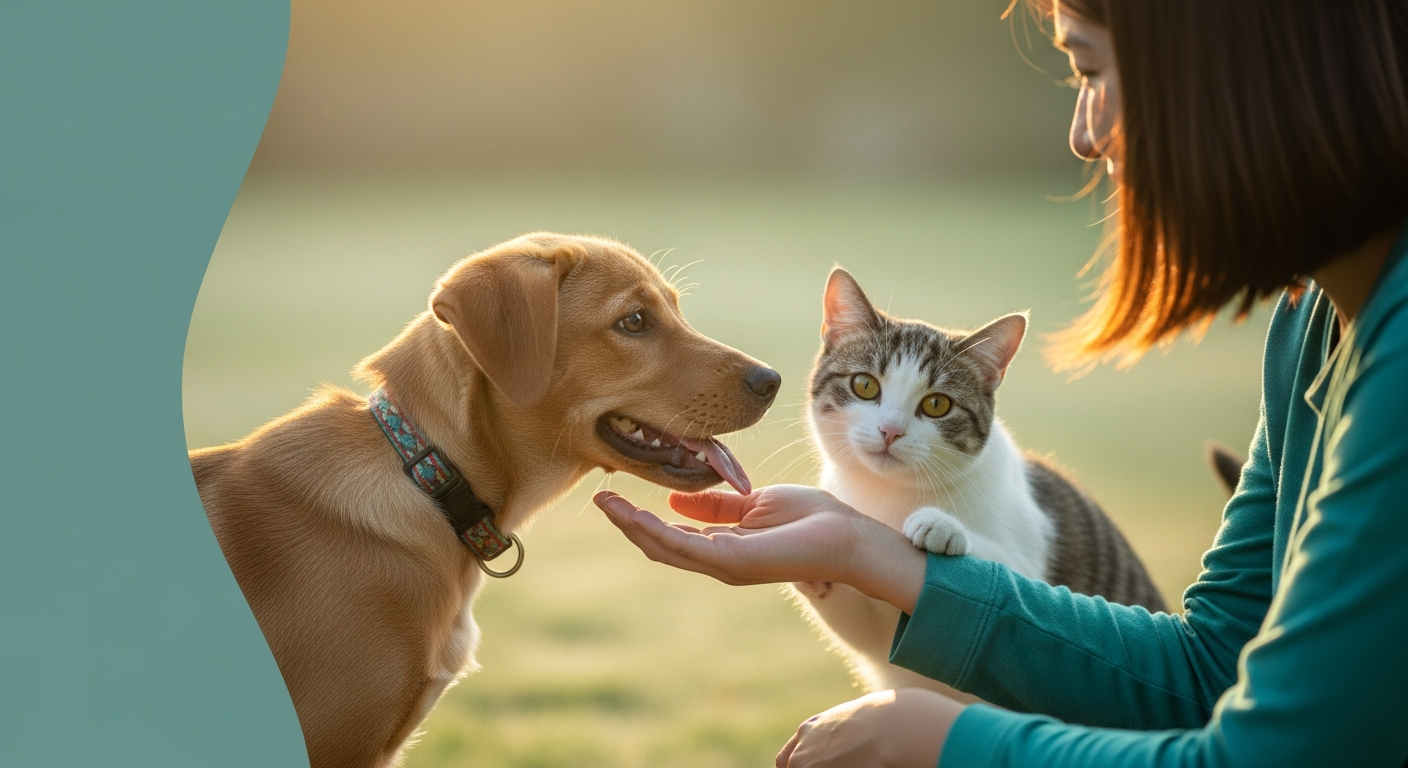
Of everything you do in your puppy's first months, socialisation may have the longest-lasting effect. There's a limited early period during which a puppy's brain is primed to accept new experiences as normal — and what happens (or doesn't happen) in that window shapes whether you get a confident, adaptable adult dog or a fearful, anxious one. The window closes early, it doesn't reopen, and most behaviour problems that lead to dogs being given up trace back to it. The good news: getting it right is very doable.
What the socialisation window is
Puppies go through a sensitive period for socialisation in early life — roughly the first few months, with the most influential stretch in the early weeks. During this time, positive exposure to new people, animals, environments, sounds, surfaces and handling teaches a puppy that the world is safe and manageable. After the window narrows, new things are far more likely to be met with fear, and undoing that is much harder than preventing it.
This is why professional veterinary behaviour bodies are clear that socialisation should not wait until a puppy is fully vaccinated — because by then, much of the window has passed. The goal is to socialise safely, not to skip it.
The vaccination balance — socialise safely, not never
Here's the genuine tension: the socialisation window overlaps with the period when your puppy hasn't finished its vaccinations. The solution isn't isolation (which causes its own, often worse, lifelong problems) — it's managed risk:
- Favour controlled, positive experiences with healthy, vaccinated dogs you know, rather than busy public dog areas early on.
- Choose clean environments; carry your puppy in higher-risk areas so it still experiences them.
- Invite the world to your puppy — have varied, calm visitors home.
- Ask your vet about well-run puppy classes, which are designed to socialise puppies safely during this window.
Your vet can guide what's appropriate for your area and your puppy's vaccination stage.
What to expose your puppy to
Breadth matters. Aim for gentle, positive exposure to as many of these as you can, always at your puppy's pace:
- People of different ages, appearances and behaviours — including children, and people in hats, uniforms, glasses, using wheelchairs, etc.
- Other animals — healthy vaccinated dogs, and calm exposure to cats and other species.
- Environments and surfaces — different floors, stairs, grass, sand, car rides, the vet clinic (a friendly non-appointment visit is gold).
- Sounds — traffic, household appliances, thunder recordings, fireworks recordings at low volume.
- Handling — paws, ears, mouth, being held and gently restrained, so future grooming and vet visits are stress-free.
- Being alone — short, positive periods of separation to prevent separation anxiety.
How to do it well: keep it positive
Socialisation is about quality, not just quantity. A single frightening experience in this window can create a lasting fear, so the rule is: positive, gentle, and at the puppy's pace.
- Pair new things with good stuff — treats, play, praise.
- Never force a nervous puppy toward something scary; let it approach in its own time and retreat if it needs to.
- Watch body language — cowering, tucked tail, freezing or trying to flee mean back off and go slower.
- Short and sweet beats long and overwhelming.
Note that puppies can also go through a fear period during this stage, where they suddenly seem wary of things they were fine with. Handle it with calm, positive, low-pressure exposure — don't flood them, and don't reinforce fear by forcing.
After the window: keep going
Socialisation doesn't stop when the sensitive period ends — it just gets harder to make big changes. Keep exposing your growing dog to varied, positive experiences through adolescence to maintain confidence. And if you've adopted an older puppy or dog who missed early socialisation, don't despair: progress is slower but very possible with patient, positive work, and often the help of a qualified trainer or behaviourist.
Frequently asked questions
When is the puppy socialisation window? It's a sensitive early period — roughly the first few months of life, with the most influential stretch in the early weeks. Positive exposure during this time shapes a confident adult; miss it, and fear and anxiety become far more likely.
Should I socialise my puppy before it's fully vaccinated? Yes — safely. Veterinary behaviour experts advise not waiting until vaccinations are complete, because the window is closing. Socialise with healthy, vaccinated dogs in clean settings, use well-run puppy classes, and follow your vet's guidance rather than isolating your puppy.
What should I socialise my puppy to? A wide, gentle range: different people, healthy dogs and other animals, environments and surfaces, everyday sounds, handling of paws/ears/mouth, and short positive periods alone. Always positive and at the puppy's pace.
My puppy suddenly seems scared of things — is that normal? Puppies can go through fear periods where they become wary of familiar things. Keep exposures calm, positive and low-pressure; don't force or flood them, and don't reinforce the fear. It usually passes with patient handling.
Raise a confident dog with Stay
Stay helps you track your puppy's development milestones and gives evidence-based guidance through the critical early months. Join the Stay waitlist.
Important note
This article is general educational information, not a substitute for professional veterinary or behavioural advice. Balance socialisation with your vet's vaccination guidance, and consult a qualified trainer or behaviourist for individual concerns. Clinical content is draft pending veterinary review.
References
- AVSAB Position Statement on Puppy Socialization. https://avsab.org/resources/position-statements/
- AAHA Canine Life Stage Guidelines — behaviour & socialisation. https://www.aaha.org/aaha-guidelines/
- American Veterinary Medical Association (AVMA) — Socialising your pet. https://www.avma.org/resources-tools/pet-owners