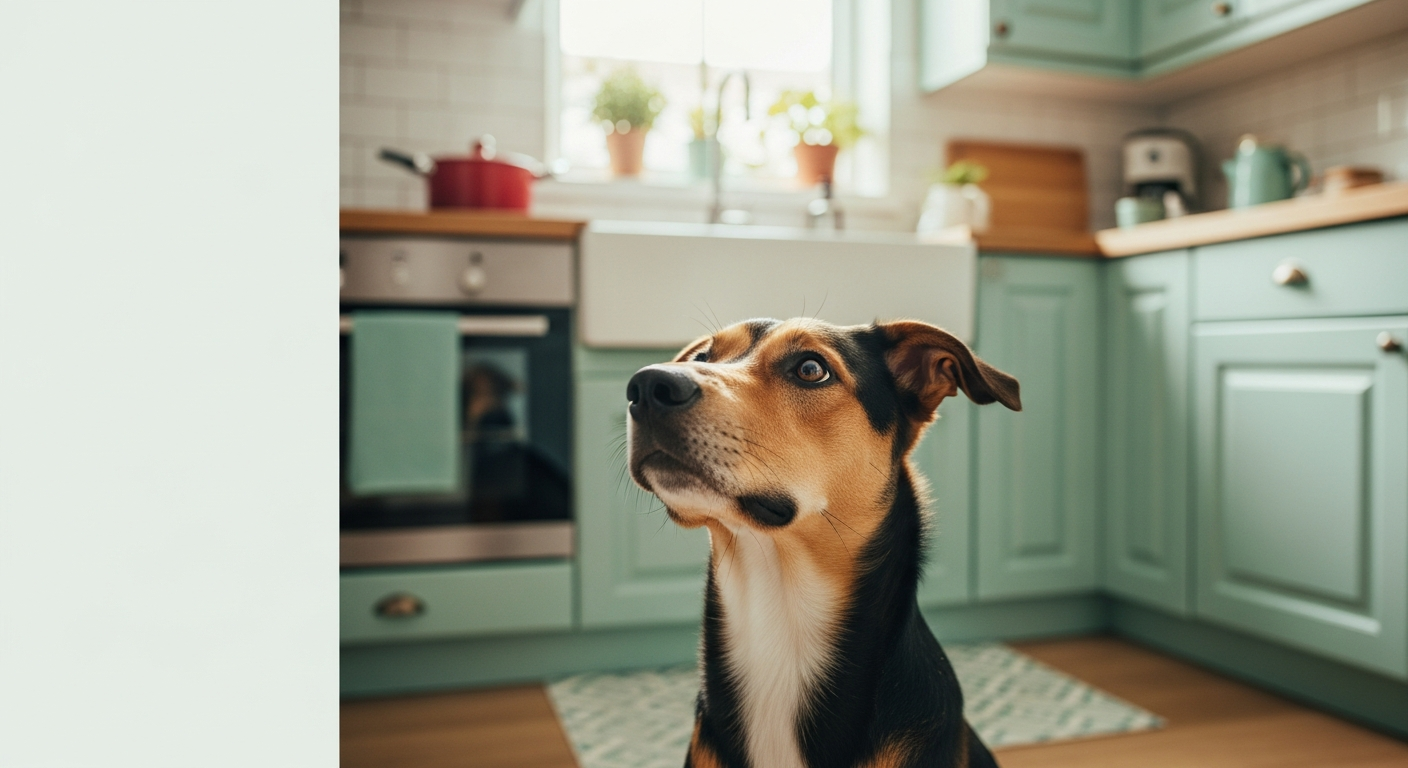
Some of the most dangerous things your pet can eat are sitting in your kitchen right now. A dropped square of chocolate, a few grapes off the counter, a piece of sugar-free gum from a handbag — each has sent pets to emergency clinics. The good news is that these emergencies are almost entirely preventable once you know the list. Print it, stick it on the fridge, and make sure everyone in the household — including guests and children — knows the rules.
This guide covers the foods that matter most, what they do, and — most importantly — what to do if your pet gets to one.
If your pet has already eaten something: act now
Do not wait for symptoms. With several of the foods below, the window to act is before your pet feels unwell. If you know or suspect your pet has eaten something toxic:
- Remove any remaining food so they can't eat more.
- Note what they ate, roughly how much, and when.
- Call your veterinarian or an emergency clinic immediately — take the packaging with you if there is any.
- Do not try to make your pet vomit unless a vet specifically tells you to; with some substances that causes more harm.
Speed matters more than certainty. It is always better to call and be reassured than to wait and hope.
The most dangerous everyday foods
Chocolate
Chocolate contains theobromine and caffeine, which dogs and cats process far more slowly than we do. Darker chocolate is more dangerous — baking chocolate and cocoa powder are the worst — but any chocolate warrants caution. Signs can include vomiting, restlessness, a racing heart, tremors and, in serious cases, seizures. Call a vet with the type and amount eaten.
Grapes, raisins, sultanas and currants
Grapes and their dried forms can cause sudden kidney failure in dogs, and the amount that does harm can be surprisingly small and unpredictable. Because there is no known "safe" quantity, treat any ingestion as an emergency and call your vet straight away, even if your pet seems fine.
Xylitol (birch sugar)
This sweetener hides in sugar-free gum, mints, some peanut butters, baked goods, and even certain medications and toothpastes. In dogs it can trigger a rapid, dangerous drop in blood sugar and, at higher exposures, liver damage — and it acts fast. Always check labels before sharing anything "sugar-free," and keep gum and sweets well out of reach.
Onions, garlic, leeks and chives (the allium family)
Raw, cooked, powdered or in leftovers, alliums can damage red blood cells and cause anaemia in both dogs and cats — cats are especially sensitive. The danger includes hidden sources like onion or garlic powder in sauces, gravies and baby food. Effects can be delayed by days, so don't be reassured by a normal first evening.
Macadamia nuts
Specific to dogs, macadamia nuts can cause weakness, tremors, vomiting and a raised temperature. Other nuts carry their own risks (high fat, choking, mould), so nuts as a group are best avoided.
Alcohol and raw bread dough
Alcohol is toxic to pets in small amounts, and it hides in unexpected places. Raw yeast bread dough is doubly dangerous: it expands in the warm stomach and ferments into alcohol.
Caffeine
Coffee, tea, energy drinks and their grounds or bags contain caffeine, which is dangerous to pets much as chocolate is. Keep them out of reach.
Other foods to keep away from pets
A number of foods aren't classic "poisons" but still cause real problems and are best avoided: cooked bones (can splinter and cause obstruction or perforation), fatty trimmings and rich leftovers (a trigger for pancreatitis), corn on the cob (a common intestinal obstruction), avocado, unripe or green tomato and raw potato plants, milk and large amounts of dairy (many pets are lactose intolerant), and excessive salt. When in doubt, don't share — a pet's diet should be built on food made for pets.
Cats: a special note
Cats are obligate carnivores and are often more sensitive than dogs to certain toxins, particularly onions and garlic. They're also fussier, which fools owners into thinking they "wouldn't eat that" — but curiosity, spilled food and flavoured products still catch them out. Apply the same caution.
Prevention: make your kitchen pet-safe
Most poisonings are accidents of access, so prevention is mostly about storage and habits: keep dangerous foods in closed cupboards or high shelves, never leave handbags (gum, mints, medications) within reach, don't feed table scraps, secure the bin, and brief guests and children on the "no sharing" rule. A visible fridge list is one of the simplest, most effective safety tools a household can have.
Frequently asked questions
What should I do if my dog eats chocolate? Call your vet or an emergency clinic immediately with the type (dark, milk, baking) and rough amount, and your dog's weight. Don't wait for symptoms and don't induce vomiting unless a vet instructs you to — darker chocolate is more dangerous, and prompt advice is what keeps a scare from becoming serious.
How many grapes are dangerous for a dog? There's no known safe number — even small amounts have caused kidney failure in some dogs, and sensitivity is unpredictable. Treat any grape, raisin or sultana ingestion as an emergency and call your vet right away.
Where is xylitol hidden? In sugar-free gum, mints and sweets, some peanut butters, baked goods, certain medications and toothpastes. Always read labels before sharing anything "sugar-free," because xylitol is dangerous to dogs and acts quickly.
Are onions and garlic really that bad for cats? Yes — alliums (onion, garlic, leek, chives) can damage red blood cells and cause anaemia, and cats are especially sensitive. Watch for hidden sources like onion or garlic powder in sauces and leftovers, and note that signs can be delayed by days.
Should I make my pet vomit if it eats something toxic? Not unless a veterinarian specifically tells you to. With some substances, inducing vomiting causes further harm. Call a professional first and follow their guidance.
Keep your pet safe with Stay
Stay gives you clear, personalised guidance on your pet's health and risks — and puts the essentials, like this danger list, at your fingertips. Join the Stay waitlist.
Important note
This article is general educational information and does not replace professional veterinary care. If you suspect your pet has eaten something toxic, contact your veterinarian or an emergency clinic immediately. Lists here are not exhaustive; when unsure whether a food is safe, ask your vet. Clinical content is draft pending veterinary review.
References
- ASPCA Animal Poison Control — People Foods to Avoid Feeding Your Pets. https://www.aspca.org/pet-care/animal-poison-control/people-foods-avoid-feeding-your-pets
- Merck Veterinary Manual — Food Hazards. https://www.merckvetmanual.com/
- VCA Animal Hospitals — Toxin & Poison information library. https://vcahospitals.com/know-your-pet