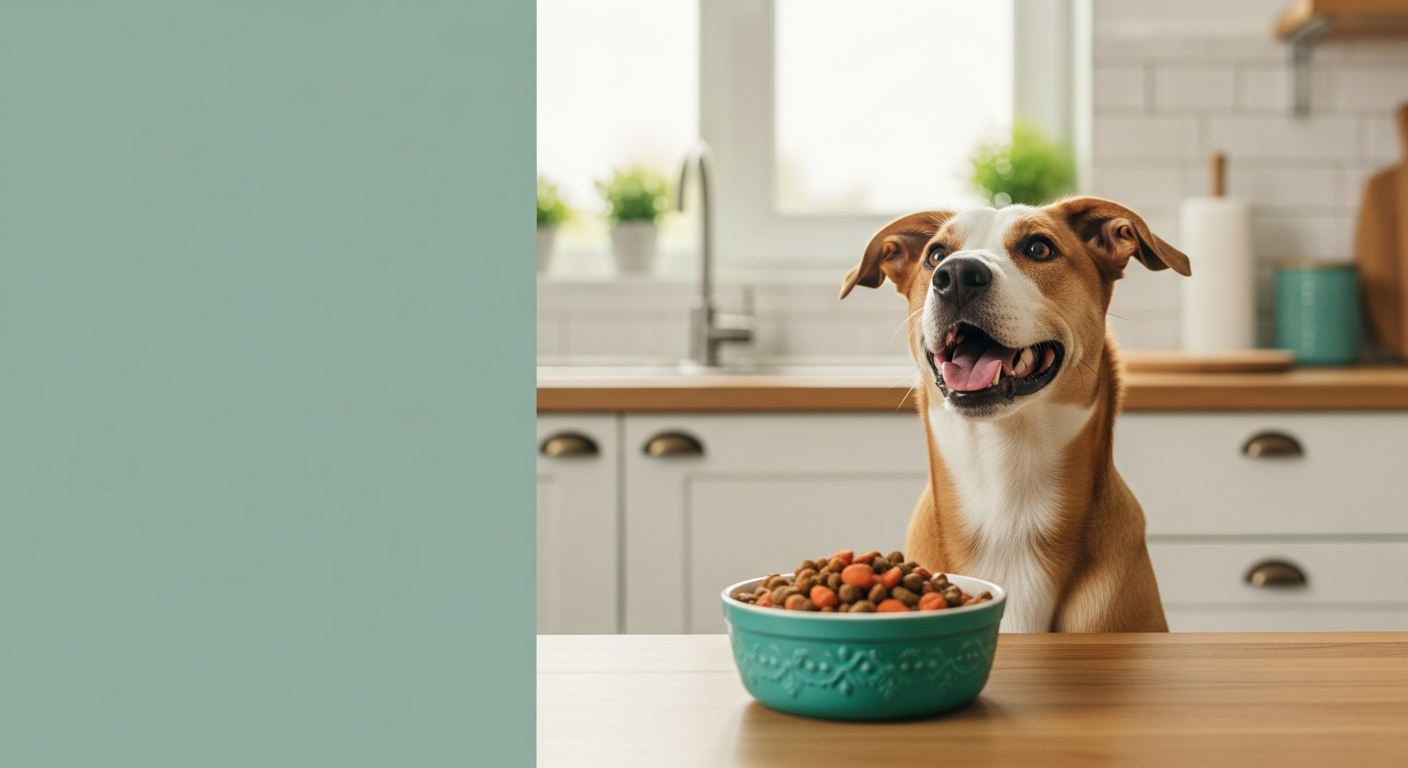
Nutrition is one of the few things about your pet's health you control every single day — and it's one of the most powerful levers for a long, healthy life. Yet pet food is also one of the most confusing, marketing-heavy categories out there. This guide cuts through the noise with evidence-based principles and links to detailed articles, so feeding your pet well becomes simple. Because good nutrition is one of the surest routes to more good years together.
Start with "complete and balanced"
The foundation of good pet nutrition is a complete and balanced diet appropriate to your pet's life stage. Look for a diet formulated to a recognised standard (such as AAFCO or FEDIAF profiles) and made by a manufacturer that invests in nutritional expertise and quality control. Beyond that, the "best" food is one that keeps your individual pet at a healthy weight, with good energy, coat and digestion — which is why body condition, not the label alone, is the real scorecard.
→ Read the guide: Is My Pet Overweight? Body Condition Scoring
Learn to read a pet food label
Pet food packaging is designed to sell, and the front of the bag is marketing. The information that matters — the named standard, the ingredient list, the guaranteed analysis and the feeding guide — is on the back. Learning to read it lets you compare products on substance rather than claims like "natural" or "premium," which aren't strictly defined.
→ Read the guide: How to Read a Pet Food Label
Know the foods that are dangerous
A number of everyday human foods are toxic to dogs and cats — some seriously so. Grapes and raisins, chocolate, xylitol (a sweetener in gum and some peanut butters), onions and garlic, and others can cause real harm. Knowing the list — and keeping it somewhere the whole household can see — prevents avoidable emergencies.
→ Read the guide: Foods You Should Never Feed Your Dog or Cat
Portion for a lean body — the longevity lever
How much you feed matters as much as what. Excess weight is linked to a shorter, less comfortable life and a long list of conditions, and most owners unintentionally overfeed. Use the feeding guide as a starting point, measure portions by weight rather than eyeballing, account for treats, and adjust based on body condition — not the bag.
→ Related guide: Preventive Pet Care & Longevity
Feeding through a Dubai summer
In extreme heat, appetite can dip and hydration becomes critical. Keep fresh water available in multiple spots, don't leave wet food out in the heat where it spoils quickly, and consider feeding during the cooler parts of the day. If appetite changes persist, that's a reason to check in with your vet rather than just changing the food.
→ Read the guide: Feeding Your Pet in Dubai's Heat
Life-stage and special needs
Puppies and kittens, adults, and seniors have different nutritional needs, as do pets with certain health conditions. Match the diet to the life stage, and treat therapeutic diets as what they are — part of medical management, used under veterinary guidance.
→ Related guides: Puppy & Kitten First Year and Senior Pet Care
More in this topic
This is a topic page in the Stay Knowledge Hub — a general introduction to the topic that links out to focused, standalone articles (linked throughout above). Each topic is expanded regularly, so new articles are added over time.
Frequently asked questions
What's the best food for my dog or cat in the UAE? The best food is a complete and balanced diet, appropriate to your pet's life stage, that keeps it at a lean, healthy body condition with good energy and coat. Judge by your pet's body condition over time, not by front-of-bag claims.
How much should I feed my pet? Start with the feeding guide for your pet's target (not current) weight, measure by weight, include treats in the daily total, and adjust to maintain a lean body condition. Your vet can help set a target.
Which human foods are dangerous for pets? Grapes and raisins, chocolate, xylitol, onions and garlic, and several others. Keep a full list visible in your kitchen — see our toxic-foods guide — and call a vet immediately if your pet eats something suspect.
Is grain-free food healthier? Not inherently — "grain-free" is a marketing category, not a health guarantee, and isn't necessary for most pets. Focus on a complete, balanced diet from a reputable maker and discuss any specific dietary concerns with your vet.
Feed smarter with Stay
Stay factors your pet's age, breed and body condition into personalised, evidence-based guidance — including practical feeding and weight targets. Join the Stay waitlist.
Important note
This guide is general educational information, not a substitute for professional veterinary advice. For therapeutic diets or a pet with a health condition, follow your veterinarian's direction. Clinical content is draft pending veterinary review.
References
- WSAVA Global Nutrition Committee — Guidelines & tools. https://wsava.org/global-guidelines/global-nutrition-guidelines/
- AAFCO — Understanding Pet Food. https://www.aafco.org/consumers/understanding-pet-food/
- ASPCA — People Foods to Avoid Feeding Your Pets. https://www.aspca.org/pet-care/animal-poison-control/people-foods-avoid-feeding-your-pets