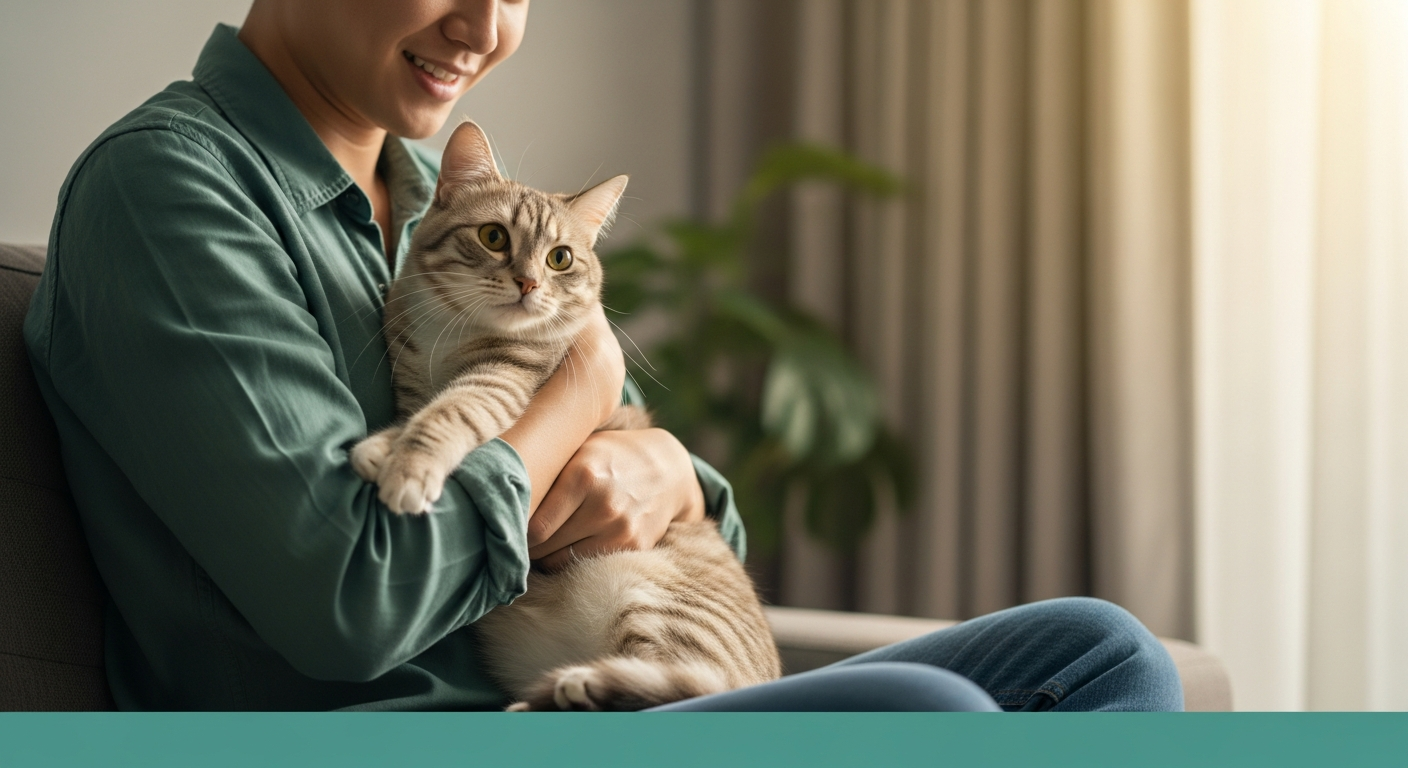
Cats are extraordinary at hiding illness. It's an instinct inherited from wild ancestors, for whom showing weakness meant becoming prey — and it works against them as pets, because by the time a cat "looks sick," it's often been unwell for a while. That makes you, the owner who knows your cat's normal, the most important early-warning system it has. This guide covers the emergencies that mean go now, the signs that mean book a visit soon, and why routine check-ups matter even when nothing seems wrong.
Emergencies: go to a vet immediately
Some situations are true emergencies. Don't wait to "see how it goes":
- A male cat straining in the litter box, or crying and unable to pass urine. This can signal a urinary blockage — a rapidly life-threatening emergency in cats, especially males. Go immediately.
- Difficulty breathing, open-mouth breathing or panting. Panting is abnormal in cats and can indicate a serious problem.
- Collapse, extreme lethargy, or unresponsiveness.
- Suspected poisoning or eating something toxic. → Foods You Should Never Feed Your Dog or Cat
- Trauma — a fall (including from a window or balcony), or any significant injury — even if the cat seems okay afterwards.
- Repeated vomiting, seizures, or signs of severe pain (hiding, crying, aggression when touched).
- Not eating at all for more than a day. In cats, going without food even briefly can trigger a serious liver complication, so feline appetite loss is more urgent than in dogs.
If in doubt, call an emergency clinic — it's always better to be reassured than to wait.
Signs to book a (non-emergency) visit soon
These aren't necessarily emergencies, but they're your cat telling you something's changed. Book a check:
- Changes in eating or drinking — more or less of either. Increased thirst in particular can be an early sign of kidney or other disease.
- Weight change — loss or gain, even gradual.
- Litter-box changes — going more or less, straining, blood, or going outside the box.
- Hiding, or a change in how sociable your cat is.
- Reduced grooming, or a dull, unkempt coat.
- Bad breath, drooling, or trouble eating — often dental. → Pet Dental Health
- Lumps, limping, or reluctance to jump — the last can be arthritis, which cats hide well.
- Vomiting or diarrhoea that is mild but persistent.
The theme is change from your cat's normal. One subtle sign might be nothing; noticing it early is what gives you and your vet options.
Why routine check-ups matter even when nothing's wrong
Because cats mask illness, waiting for obvious symptoms means missing the early, treatable window. A veterinary check at least once a year for healthy adult cats — and more often for seniors — lets your vet catch problems like kidney disease, dental disease, hyperthyroidism and weight issues before they become advanced. Screening tests can reveal changes long before you'd ever see them at home.
→ Related: Early Screening for Silent Disease (High SDMA in Cats) · Cat Health in Dubai
How to be your cat's early-warning system
- Know your cat's normal — appetite, weight, energy, litter habits, sociability.
- Weigh periodically; gradual weight change is easy to miss by eye.
- Watch the litter box — it's one of the richest sources of early information.
- Don't dismiss "just old age." Slowing down, stiffness or changed habits in a senior cat often have treatable causes.
- When unsure about urgency, a symptom checker can help you think through the signs — but it supports, and never replaces, a veterinarian's judgment. AI assists; experts decide.
Frequently asked questions
My cat isn't eating — how long can I wait? Not long. Cats that stop eating even for a short period can develop a serious liver complication, so feline appetite loss is more urgent than in dogs. If your cat won't eat for more than a day — or shows other signs — contact your vet promptly.
My male cat is straining in the litter box — is that an emergency? Yes. Straining, crying or being unable to pass urine can signal a urinary blockage, which is rapidly life-threatening in cats, especially males. Treat it as an emergency and go to a vet immediately.
How often should a healthy cat see a vet? At least once a year for healthy adults, and more often for senior cats. Because cats hide illness, routine checks and age-appropriate screening are how problems get caught early — the whole point of preventive care.
Is panting normal in cats? No — unlike dogs, cats don't usually pant, so open-mouth breathing or panting is abnormal and can indicate a serious problem. It warrants urgent veterinary attention.
Know sooner with Stay
Stay helps you track your cat's health and understand what changes mean — with a symptom checker that helps you gauge urgency and a plan tailored to your cat. AI assists; experts decide. Join the Stay waitlist.
Important note
This article is general educational information and does not replace professional veterinary care. If you suspect an emergency, contact a veterinarian or emergency clinic immediately. A symptom checker supports decisions but is not a diagnosis. Clinical content is draft pending veterinary review.
References
- American Association of Feline Practitioners (AAFP) — Feline-friendly & wellness guidelines. https://catvets.com/guidelines/
- International Cat Care — Signs of illness in cats. https://icatcare.org/
- Merck Veterinary Manual — Feline emergencies. https://www.merckvetmanual.com/