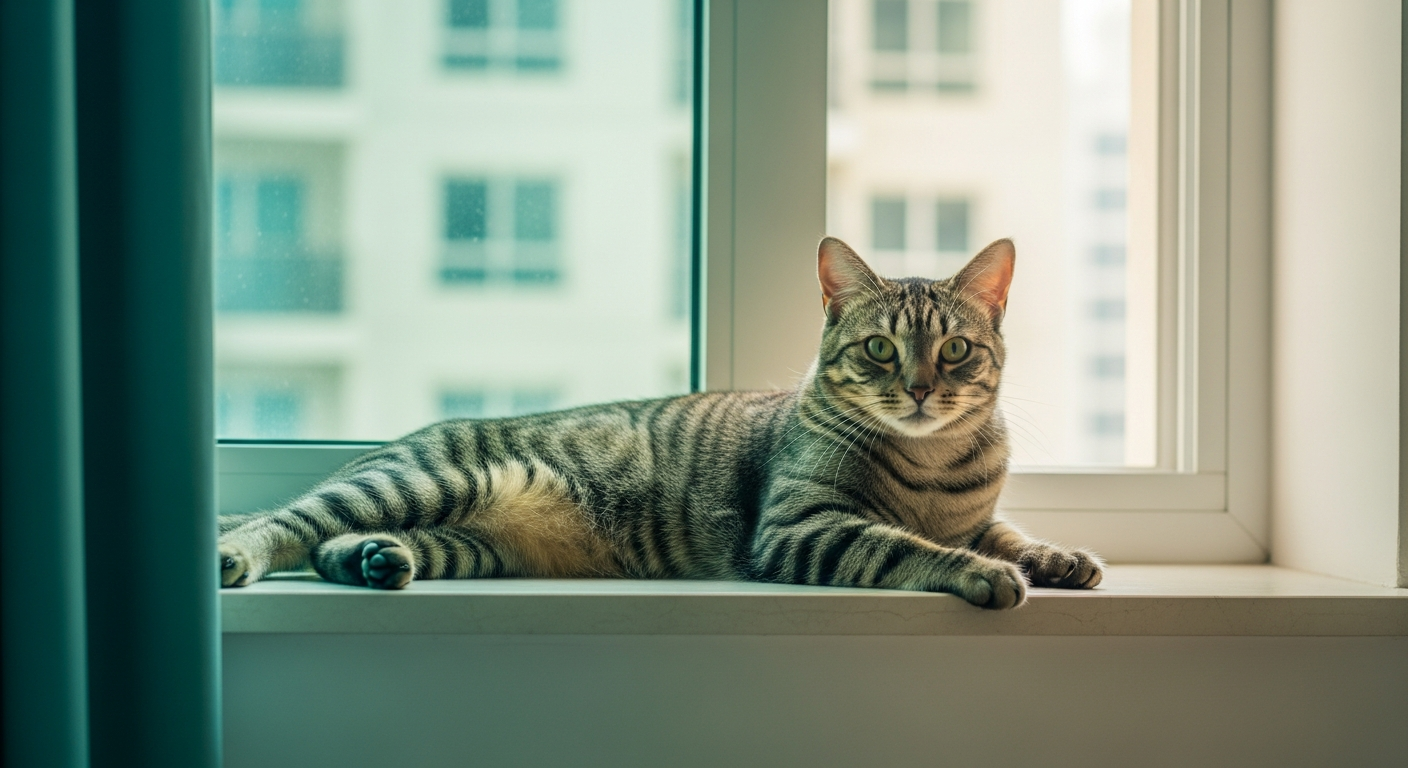
Most cats in Dubai live indoors — which protects them from traffic, heat and disease, but brings its own health considerations around activity, hydration, weight and boredom. Cats are also masters at hiding illness, an instinct that helped their ancestors survive but works against them as pets. This guide covers what matters most for a Dubai cat and links to detailed articles on each topic, all in service of one goal: more good years together.
The theme that runs through feline health is subtlety. Cats rarely make a fuss when something is wrong, so good care is mostly about noticing small changes early and screening proactively — not waiting for obvious symptoms.
Kidney health and hydration: the feline priority
Kidney disease is one of the most common serious conditions in cats, especially as they age, and it is famously silent — outward signs often appear only once a large portion of kidney function is already lost. That's why early screening matters so much. A blood marker called SDMA can flag kidney changes earlier than older tests, giving you a real head start.
Hydration supports kidney health, and cats are notoriously reluctant drinkers. Offering water in multiple locations away from food, and considering wet food, both help.
→ Read the full guide: Early Screening for Silent Disease (High SDMA in Cats)
Indoor life: activity, weight and enrichment
An indoor cat is safer but at higher risk of boredom and weight gain — and feline obesity is linked to diabetes, joint disease and a shorter life. Enrichment (climbing, hunting-style play, food puzzles, window perches) keeps a cat physically and mentally healthy, and keeping it lean is one of the best things you can do for its longevity.
→ Related guides: Indoor Cat Enrichment in the UAE, Pet Nutrition in the UAE and Is My Cat Overweight? Body Condition Scoring
Dental disease in cats
Dental problems are common and painful in cats, and often go unnoticed because cats keep eating despite significant discomfort. Bad breath, drooling, pawing at the mouth or a change in eating are worth a dental check. As with dogs, prevention and early detection beat treating advanced disease.
→ Read the full guide: Dental & Periodontal Disease in Dogs and Cats
Heat safety for cats
Cats are walked less than dogs, so exertional heat stroke is rarer — but indoor cats are not immune, particularly if air conditioning fails or a cat is trapped somewhere hot like a balcony, sunroom or car. Open-mouth breathing or panting in a cat is abnormal and warrants urgent veterinary attention.
→ Read the full guide: Heat Stroke in Dogs and Cats: The Dubai Survival Guide
Knowing when to see a vet
Because cats hide illness, watch for subtle shifts: eating or drinking more or less, weight change, hiding, reduced grooming, litter-box changes, or less interest in play. Any of these deserves attention. Healthy adult cats should have a veterinary check at least once a year, and senior cats more often — screening is how silent disease gets caught in time.
→ Related guides: When to Take Your Cat to the Vet, Senior Pet Care and Preventive Pet Care & Longevity
More in this topic
This is a topic page in the Stay Knowledge Hub — a general introduction to the topic that links out to focused, standalone articles (linked throughout above). Each topic is expanded regularly, so new articles are added over time.
Frequently asked questions
How often should an indoor cat see a vet? At least once a year for a healthy adult, and more often for senior cats or those with a known condition. Indoor life reduces some risks but not the internal ones like kidney or dental disease, which are best caught by regular screening.
What are the early signs of kidney disease in cats? Often none that are obvious at first — that's why it's called a silent disease. Increased thirst and urination, gradual weight loss and reduced appetite can appear as it progresses. Early blood screening (including SDMA) can detect changes sooner. See our early-screening guide.
How do I get my cat to drink more water? Offer water in several spots away from the food bowl, keep it fresh, and consider wet food or a pet water fountain. Good hydration supports kidney health.
Is my indoor cat getting enough exercise? Many aren't. Daily interactive play, climbing options and food puzzles keep an indoor cat lean and mentally engaged, which protects against obesity-linked disease.
Stay ahead of your cat's health with Stay
Stay factors your cat's breed, age and risk profile into personalised, evidence-based guidance — including when to screen for the silent conditions that matter most in cats. Join the Stay waitlist.
Important note
This guide is general educational information, not a substitute for professional veterinary advice. Always consult a licensed veterinarian for your individual cat. All clinical content is draft pending veterinary review.
References
- International Renal Interest Society (IRIS) — Staging of CKD. http://www.iris-kidney.com/
- American Association of Feline Practitioners (AAFP) Guidelines. https://catvets.com/guidelines/
- WSAVA Global Nutrition Guidelines. https://wsava.org/global-guidelines/
- Veterinary Oral Health Council (VOHC) — Accepted Products. https://vohc.org/